
A smart renovation budget is not only about choosing the cheapest option. It is about deciding which improvements will prevent bigger, messier, and more expensive problems later. Many homeowners learn this the hard way. A loose railing becomes a safety issue. A slow drainage problem reaches the foundation. An old window lets conditioned air escape every season until the utility bills quietly add up to thousands of dollars.
Budget renovations work best when they are practical. Paint and decor can improve how a home feels, but long-term savings usually come from projects that protect structure, comfort, water flow, heating, cooling, and outdoor durability. The goal is not to remodel everything at once. The goal is to look at the home as a working system and decide which small fixes can reduce repair risk over time.
A homeowner with limited funds should start by asking three questions: What problem is already forming? What repair would cost much more if ignored? What improvement will reduce monthly or seasonal expenses? Those answers often point to projects that are not glamorous, but they protect the home far better than cosmetic updates alone.
Prioritize Comfort Systems Before Small Problems Grow
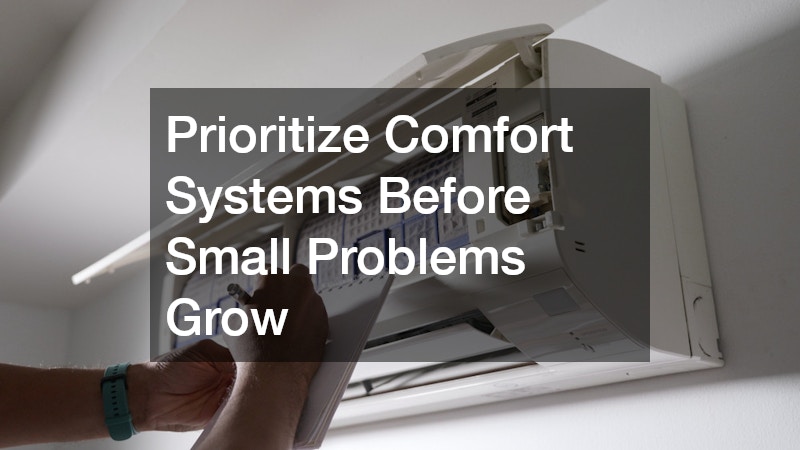
Heating and cooling systems are easy to ignore until they stop working on the coldest or hottest day of the year. That is when repair costs tend to feel urgent and unavoidable. A better budget strategy is to handle small performance issues early, before the system is pushed into failure.
For example, a homeowner may notice that one room never warms up properly, the system runs longer than usual, or the thermostat needs constant adjustment. Those signs may not mean the unit is failing, but they do suggest the home is wasting energy somewhere. Dirty filters, blocked vents, loose ducts, poor insulation, and aging parts can all force the equipment to work harder than necessary.
Scheduling basic HVAC services before peak season can help catch these issues while they are still manageable. The same is true for furnace repair. A worn ignitor, noisy blower motor, or short cycling pattern may be much less expensive to address early than a full system breakdown later.
A practical approach is to start with the lowest-cost checks first:
- Replace filters on schedule.
- Keep vents open and clear.
- Seal obvious air leaks around doors and attic access points.
- Check whether the thermostat is reading correctly.
- Ask for a maintenance review before assuming replacement is needed.
The most budget-friendly decision is not always repair, though. If a system is very old, inefficient, or repeatedly breaking down, continuing to patch it can become more expensive than planning a replacement. Homeowners should compare the cost of frequent service calls against the expected life left in the system. A clear repair history can make that decision easier and less emotional.
Manage Water Away From the Home Early
Water damage rarely starts dramatically. It often begins as a small overflow, a soggy patch of soil, or a little pooling near the house after a storm. Because the early signs seem minor, homeowners may put them off. That delay can be costly.
Roof runoff is one of the most common causes of preventable damage around a home. When gutters sag, pull away, clog, or drain too close to the foundation, water can collect where it should not. Over time, that moisture can contribute to basement leaks, soil erosion, wood rot, cracked walkways, and foundation stress. Hiring a gutter installer to correct slope, add extensions, or replace failing sections can be far less expensive than repairing structural damage caused by years of poor drainage.
The same principle applies below ground. If a property uses a septic system, surface water management matters. Too much runoff near the drain field can create saturation problems, slow drainage, and unpleasant backups. In severe cases, neglected drainage or an aging system may lead to septic replacement, which is a major expense most homeowners would rather avoid.
A simple problem-solution mindset helps here. If water is spilling over the roofline, the solution may be cleaning or replacing gutter sections. If downspouts empty beside the foundation, the solution may be extensions or grading. If the yard stays wet long after rain ends, the solution may involve drainage planning before the problem reaches the home itself.
A homeowner does not need to solve every drainage concern at once. Start where water is most visibly collecting. Watch the house during a heavy rain. Notice where water falls, where it pools, and where soil washes away. Those observations can point to practical fixes that protect the property for years.
Protect Private Water Sources With Scheduled Checks
Homes with private water systems have a different set of budget concerns. When the water supply depends on equipment buried underground or installed away from the main living space, problems can feel sudden even when they have been developing for months.
Low pressure, sputtering faucets, cloudy water, unusual sounds, or a pump that cycles too often should not be ignored. These symptoms can point to issues with pressure tanks, wiring, filters, lines, or the pump itself. Timely water well pump repair may restore reliable service before the home loses water completely.
The challenge is that many homeowners only think about the system when water stops flowing. A better habit is to treat the well like any other major home system. Keep records of service dates, water quality tests, pressure changes, and past repairs. Those notes can help a professional identify whether the issue is isolated or part of a larger pattern.
There are times when a repair is not enough. If the water source is unreliable, contaminated, too shallow, or no longer producing enough supply, water well drilling may become part of a long-term plan. That is not a small project, so homeowners should not wait until an emergency forces a rushed decision.
A helpful way to budget is to separate immediate maintenance from future planning. The immediate goal is keeping the current system safe and dependable. The future goal is understanding the expected lifespan of the well and related equipment. That way, if major work is eventually needed, it is not a complete financial surprise.
Choose Outdoor Materials That Reduce Repeated Upkeep
Outdoor improvements can either save money or create more chores. The difference usually comes down to material choice, weather exposure, and how the space is actually used.
A family with pets, kids, and a shaded yard may spend every year fighting mud, bare grass, and uneven patches. In that case, artificial turf might be worth considering for a high-use area. It is not the right answer for every yard, but it can reduce mowing, watering, reseeding, and muddy cleanup in places where natural grass struggles. The key is proper installation, good drainage, and realistic expectations about heat, maintenance, and lifespan.
Safety features deserve the same practical attention. Loose porch rails, wobbly deck sections, and rusted metal barriers may seem like small projects until someone leans on them. Rail repairs are often more affordable when handled early, before moisture spreads through surrounding wood or fasteners fail completely.
Think about outdoor projects in terms of friction. Which parts of the property require constant attention? Which areas keep breaking down? Which surfaces are exposed to heavy rain, sun, pets, foot traffic, or freeze-thaw cycles? Budget renovations should reduce repeated work, not add to it.
A homeowner might choose composite materials for a small landing instead of repainting wood every year. Another might repair a single railing section before the entire porch needs rebuilding. Someone else may replace a muddy side yard with a low-maintenance surface instead of paying for repeated lawn fixes. The best outdoor renovation is usually the one that solves a specific recurring problem.
Improve Efficiency Where Air Escapes Most
Energy efficiency can sound like a major investment, but many useful improvements start with observation. Stand near older windows on a windy day. Check for drafts around trim. Notice rooms that heat up quickly in summer or feel cold no matter how high the thermostat is set. These clues show where the home is losing money.
Old or poorly sealed windows can make heating and cooling systems work harder. Window installers can help determine whether the problem is failing glass, damaged frames, poor installation, or missing sealing. Full replacement may be worthwhile in some homes, but others may benefit from targeted repairs, weatherstripping, caulking, or storm windows.
This is also where cooling performance comes into the budget conversation. A local ac company can evaluate whether comfort issues are coming from the air conditioning unit itself or from the building envelope. Sometimes the equipment is blamed when the real problem is hot air entering through gaps, attic heat, or inefficient windows.
The practical order matters. Before buying larger equipment, reduce the load on the home. Seal gaps. Improve shading where needed. Repair damaged window trim. Make sure attic insulation is not failing. Then evaluate whether the existing cooling system can perform better under improved conditions.
A common mistake is replacing equipment without fixing the reasons it struggled in the first place. That can lead to another cycle of high bills and uneven comfort. Smart budget renovation looks beyond the obvious symptom and asks why the home is losing efficiency.
Build a Budget Around Risk, Not Appearance
When money is limited, every renovation choice has to compete with something else. New flooring may feel more satisfying than drainage work. A fresh backsplash is more visible than a repaired pump. But the projects that protect the home should usually come first.
One useful method is to rank projects by risk. Safety risks come first. Active water problems come next. Failing mechanical systems should be close behind. Efficiency improvements that lower ongoing bills can follow. Cosmetic updates are still valid, but they should not consume the entire budget while hidden problems keep growing.
A simple renovation priority list might look like this:
- Immediate safety concerns
- Active leaks or drainage failures
- Heating, cooling, water, or waste system issues
- Exterior repairs that prevent structural damage
- Energy-saving improvements
- Cosmetic upgrades
This does not mean every home needs a large renovation fund. Even setting aside a small monthly amount can reduce panic when repairs appear. A maintenance reserve gives homeowners more choices. Instead of putting off a problem or accepting the first emergency quote, they can plan, compare options, and schedule work at the right time.
It also helps to separate DIY projects from professional work. Painting, basic sealing, filter changes, and simple landscaping may be manageable for many homeowners. Electrical, structural, septic, well, major HVAC, and window installation work usually require trained professionals. Trying to save money by doing specialized work incorrectly can create larger expenses and safety issues.
A budget renovation plan should be flexible. Houses age unevenly. A roofline drainage issue may suddenly become more urgent than a planned cosmetic update. A pump problem may move ahead of new flooring. That is not failure. That is responsible homeownership.
Making Each Project Support the Next One

The best budget renovations are connected. Better drainage protects the foundation. Better windows reduce strain on comfort systems. Safer outdoor materials lower maintenance. Preventive service helps equipment last longer. Each project supports the next one, creating a home that costs less to maintain over time.
This is where homeowners can shift from reactive repairs to planned improvements. Instead of asking, “What broke this month?” they can ask, “What can be strengthened before it fails?” That small change in thinking can protect both the home and the budget.
Not every improvement has to be large. Some of the most valuable projects are modest, targeted, and easy to overlook. A repaired railing, a sealed window gap, a corrected downspout, or a seasonal system check may not transform the home overnight. But together, these choices reduce risk, improve comfort, and help prevent the kind of repair bills that derail a household budget.
A budget renovation should not be about doing the least possible. It should be about spending carefully in the places that matter most. When homeowners focus on prevention, durability, and efficiency, even small projects can create long-term savings.