
When embarking on a roofing project, the first step is to research potential roofing contractors. Start by compiling a list of local contractors through online searches, recommendations, and reviews on platforms like Yelp or Angie’s List. It’s crucial to verify each contractor’s credentials, ensuring they are licensed, insured, and bonded.
This diligence upfront helps prevent costly mistakes and ensures your home’s roof is in capable hands. Check for any affiliations with reputable roofing associations, as membership indicates a commitment to industry standards and quality service.
Another valuable research tool is to read through customer reviews and testimonials. Pay attention to how past projects were executed and whether customers were satisfied with the completion and longevity of their roofs. Genuine reviews often highlight the professionalism, timeliness, and workmanship of the contractors. However, consider the overall trend rather than isolated complaints or praises. Engaging with community forums can also yield insightful feedback specific to your local area that you might not find elsewhere.
Don’t overlook the importance of multiple quotes from different roofing contractors. Obtaining at least three quotes provides insight into the standard pricing and scope of work in your area. Analyze each quotation for transparency, ensuring there are no hidden costs that could arise later. Additionally, a face-to-face meeting offers a chance to discuss your needs thoroughly, facilitating a better understanding between you and the contractor. This step provides peace of mind and prevents potential misunderstandings down the road.
Evaluating Experience and Credentials
Evaluating the experience of a roofing contractor is crucial to ensuring the success of your project. Experienced contractors bring a wealth of knowledge about materials, techniques, and unexpected challenges that can arise during roofing. Look for contractors with at least five years of experience, as this period usually reflects stability and expertise. Additionally, inquire about any specialized training or certifications the contractor or their team possess, as these can significantly impact the quality of work. For instance, certifications from manufacturers indicate that the contractor is approved to install their products, ensuring warranty protection.
Don’t hesitate to ask for a portfolio of past completed projects. Examining before-and-after photos can give you an idea of the contractor’s style and quality of work. Moreover, contacting previous clients to inquire about their experiences can provide you with a realistic expectation of what to expect. Ensure you discuss any specific requirements or unique roof features you may have during this evaluation phase. A seasoned contractor will likely have encountered a similar situation before and will be able to provide informed advice and solutions.
Another aspect of qualification is gauging the contractor’s approach to safety projects. Roofing is inherently risky, and a responsible contractor will have a comprehensive safety plan in place for their workers. Inquire about their adherence to Occupational Safety and Health Administration (OSHA) guidelines and ensure they prioritize worker and site safety. Awareness of safety regulations indicates a level of professionalism and responsibility that extends to the care of your home. Ultimately, evaluating these factors will help you choose a roofing contractor who is both reliable and capable.
Finalizing the Contract and Payment Terms
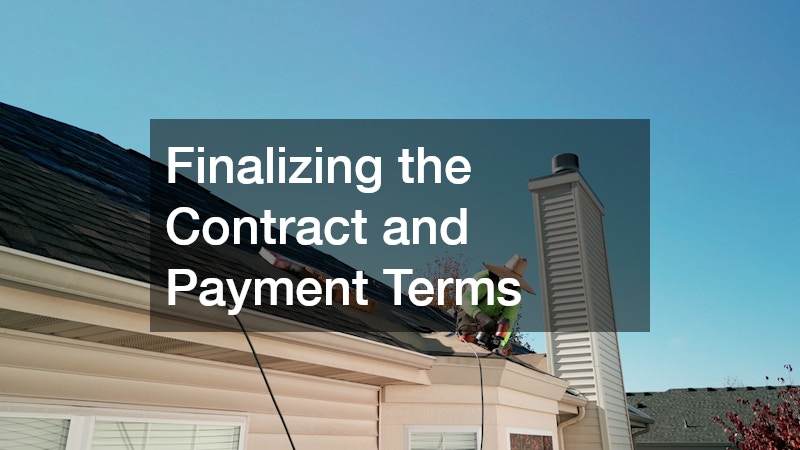
Once you’ve selected a roofing contractor, the next step is to finalize the contract terms. Ensure that the contract details all aspects of the roofing project, including the scope of work, materials to be used, and the estimated timeline for completion. It should also outline warranties for both workmanship and materials. Clear communication about these elements prevents disputes and sets clear expectations for both parties. It’s wise to have an attorney review the contract, as their expertise can ensure that legal language aligns with your interests.
Understanding payment terms upfront is critical to preventing misunderstandings. Most roofing contractors will require a deposit before commencement, typically ranging from 10% to 30% of the total project cost. The contract should specify this deposit amount, along with a payment schedule for remaining amounts as the project progresses. Avoid any contractor who insists on full payment before starting the work, as this is a significant red flag. Structured payments linked to project milestones protect your investment and incentivize timely completion.
Finally, the contractor should provide a detailed plan for how any unforeseen issues will be handled. Despite thorough preparation, new challenges can emerge during roofing projects, such as previously undetected structural damage. The contract should account for such scenarios, outlining procedures for change orders and any potential additional costs. Transparency in these cases is crucial, ensuring you’re never blindsided by surprise expenses. A comprehensive contract coupled with clear payment terms establishes a strong foundation for a successful roofing project.