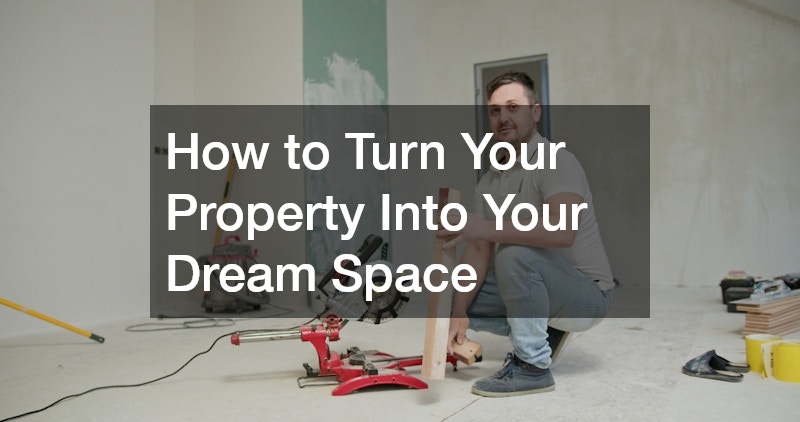
A dream property is not just a beautiful home. It is a place that works for the way you actually live. It supports your routines, gives you room to relax, makes everyday tasks easier, and feels like a reflection of your personality. Before choosing colors, materials, layouts, or upgrades, take a step back and think about what is missing from your current space.
Maybe your mornings feel rushed because the kitchen is cramped. Maybe the backyard has potential, but no one uses it because it is too hot, too bare, or too hard to maintain. Maybe your home looks fine from the street, but you worry about aging exterior materials or systems that could become expensive problems later. These are the kinds of details that should guide your planning.
A helpful first step is to walk through your property slowly and make notes. Do not only look for what is broken. Look for what feels inconvenient, underused, outdated, or disconnected from your lifestyle. A dream space should solve real problems, not just copy trends.
Think about three categories:
- What would make daily life more comfortable?
- What would make the property easier to maintain?
- What would make the home feel more personal and enjoyable?
Once you answer those questions, you can prioritize improvements with more confidence. The best property transformations usually happen in phases, with each project supporting the next.
Improve Indoor Comfort Before Focusing on Cosmetic Changes
It is tempting to begin with the most visible updates, but comfort should come first. A room can be beautifully decorated and still feel unpleasant if it is too warm, stuffy, humid, or unevenly cooled. This is especially true in homes where older systems struggle during peak seasons.
Before investing heavily in design upgrades, pay attention to how your home feels throughout the day. Are some rooms warmer than others? Does the system run constantly but never quite reach the right temperature? Are energy bills climbing without a clear reason? These can be signs that your home’s comfort systems need attention.
For some homeowners, ac installation becomes one of the most important first steps in creating a more livable home. A properly sized and professionally installed system can make bedrooms more restful, living areas more inviting, and work-from-home spaces easier to use. It can also support better humidity control, which affects everything from comfort to indoor air quality.
Comfort improvements work best when paired with practical habits and supporting upgrades. Sealing air leaks, improving insulation, using ceiling fans strategically, and keeping filters clean can all help the system perform better. The goal is not simply to cool the home, but to create a steady indoor environment that makes every room feel usable.
Create a Kitchen That Supports the Way You Cook and Gather
The kitchen often becomes the center of the home, even when it was not designed that way. People gather there during parties, kids do homework at the counter, and busy mornings often begin with everyone moving through the same small space. If your kitchen feels cluttered or inefficient, improving it can dramatically change how your home functions.
Start by observing how you use the space now. Where do items pile up? Which cabinets are hard to reach? Do you have enough prep space near the stove or sink? Is there a clear path between cooking, serving, and cleaning areas? These details matter more than chasing a perfect magazine-style layout.
Well-planned kitchen cabinets can help solve many everyday frustrations. Deep drawers can make pots and pans easier to access. Vertical dividers can organize baking sheets and cutting boards. Pull-out shelves can make lower storage more useful. If your kitchen is small, extending storage upward or adding customized inserts can create more function without expanding the footprint.
The best kitchen updates balance beauty with routine. Choose finishes you enjoy, but also think about durability, cleaning, and how the space will age. A dream kitchen should look good on the day it is finished and still work well on a busy weekday morning years later.
Refresh Interior Spaces With Color and Purpose
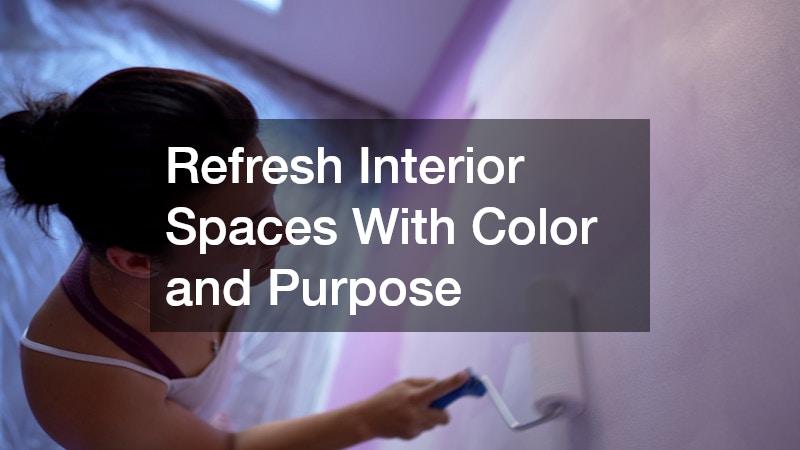
Paint can change the way a home feels faster than almost any other interior update. It can make a dark room feel brighter, help an open floor plan feel more connected, or give a bedroom the calm atmosphere it has been missing. But choosing paint should be more thoughtful than simply picking a color you like on a sample card.
Start with the mood you want each room to create. A family room might need warmth and flexibility. A bedroom might call for softer, quieter tones. A home office may benefit from a color that feels focused but not harsh. Lighting also matters. A shade that looks clean and bright in one room may look flat or overly cool in another.
Interior house painting is especially useful when a home feels dated but does not need major renovation. Fresh walls, trim, and doors can make existing furniture look better and help newer upgrades feel more cohesive. It is also a practical way to define spaces without changing the structure of the home.
Before painting, prepare properly. Repair small wall damage, test colors in different lighting, and consider how each room connects to the next. A thoughtful color plan can make the whole home feel intentional rather than pieced together one room at a time.
Build an Outdoor Retreat That Invites Daily Use
A beautiful outdoor area is only valuable if people actually want to spend time there. Many yards have plenty of space but little function. They may be too exposed to the sun, too difficult to maintain, or missing the features that make outdoor living feel natural.
Begin by deciding how you want the outdoor space to serve you. Some homeowners want a quiet place for morning coffee. Others want a family-friendly area for weekends, cookouts, or gatherings. Your design should reflect those habits instead of trying to include every possible feature.
For homes in warm climates, swimming pool installation can become the centerpiece of an outdoor retreat. A pool can create a natural gathering place, support recreation, and make the backyard feel like an extension of the home. The key is to plan beyond the pool itself. Think about shade, seating, safety, lighting, and pathways so the entire area feels connected and comfortable.
Maintenance should also shape the design. Artificial grass installation can help create a clean, green look in areas where natural grass struggles or requires too much upkeep. It can be especially useful near play areas, pool zones, or side yards where homeowners want a polished appearance without constant watering, mowing, or patch repair.
A successful outdoor retreat usually includes a mix of hard surfaces, soft textures, lighting, and usable zones. When each part has a purpose, the space becomes easier to enjoy.
Strengthen Exterior Features That Protect the Home
The outside of your home does more than create curb appeal. It protects everything inside. When exterior materials age, crack, leak, fade, or loosen, small issues can gradually turn into major repairs. That is why exterior upgrades should be part of any long-term dream property plan.
A roof is one of the most important protective elements. Missing shingles, recurring leaks, sagging areas, or visible wear can be signs that roof replacement needs to be considered. Waiting too long can lead to water damage, insulation problems, and interior repairs that cost far more than early action.
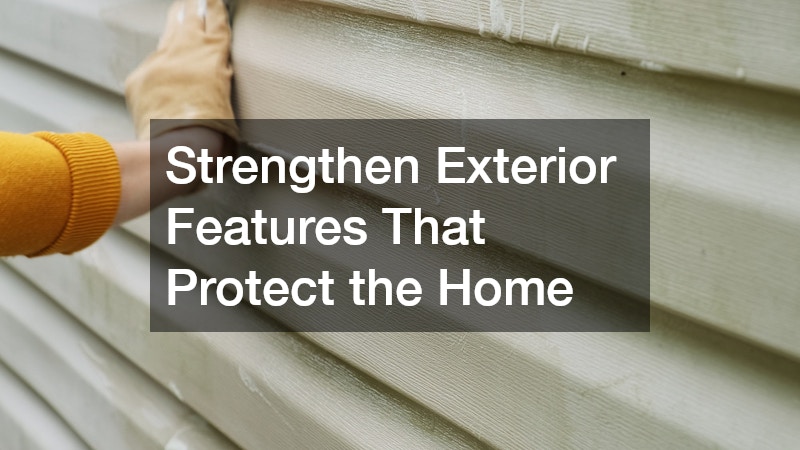
The same principle applies to the walls and exterior covering of the home. Siding installation can improve durability, update the home’s appearance, and reduce maintenance depending on the material chosen. Modern siding options can also help with weather resistance and overall energy performance when installed correctly.
When planning exterior improvements, think about the entire visual picture. Roofing, siding, trim, windows, doors, and landscaping should feel like they belong together. You do not need everything to match perfectly, but colors and materials should complement one another. A home that looks cohesive from the street often feels more cared for and more valuable.
Make Access and Storage Areas Work Harder
Some of the most useful property improvements are not glamorous. They simply make daily life smoother. The garage is a good example. It is often used for parking, storage, tools, hobbies, sports equipment, seasonal decorations, and household overflow. When it does not function well, frustration builds quickly.
Start by looking at how you enter and use the garage. Is it easy to get in and out? Is the door noisy, slow, unreliable, or poorly insulated? Does the exterior style clash with the rest of the house? Since the garage often takes up a large portion of the front-facing exterior, it affects both convenience and curb appeal.
Garage door installation can improve security, function, and appearance at the same time. Newer doors may offer better insulation, quieter operation, stronger materials, and designs that better match the architecture of the home. For families who use the garage as a main entry point, these improvements can make a noticeable difference every day.
After addressing access, improve the inside. Wall-mounted storage, ceiling racks, labeled bins, and dedicated zones can turn a messy garage into a practical extension of the home. The goal is not perfection. It is creating a space where items are easy to find and the garage supports your lifestyle instead of becoming a dumping ground.
Plan Core Systems Before They Become Emergencies

Every dream property depends on systems most people rarely think about until something goes wrong. Water, drainage, waste management, and utility access may not be exciting design topics, but they are essential to comfort and long-term reliability.
For rural homes or properties outside municipal water service, water well pump installation may be necessary to support dependable water access. Before moving forward, homeowners should understand water demand, well depth, pressure needs, and the importance of choosing equipment suited to the property. A system that is too weak or improperly installed can cause inconsistent flow and ongoing frustration.
Wastewater planning deserves the same level of attention. Septic system installation should be handled with careful evaluation of soil conditions, household size, local requirements, and long-term maintenance needs. A properly planned system protects the property, supports sanitation, and helps prevent expensive failures.
These projects may not transform the look of your home overnight, but they protect the lifestyle you are trying to build. It is much easier to enjoy a beautiful property when the essential systems behind it are dependable.
Tie Each Project to a Long-Term Property Plan
Turning your property into a dream space is not about doing everything at once. In fact, trying to tackle too many projects at the same time can lead to rushed decisions, budget strain, and unfinished work. A better approach is to create a phased plan.
Start with projects that protect the home or improve daily comfort. Then move toward updates that improve function, appearance, and enjoyment. This order helps prevent situations where a cosmetic upgrade has to be undone later because a deeper issue was ignored.
A practical long-term plan might look like this:
- Address urgent repairs or system concerns first
- Improve indoor comfort and energy performance
- Upgrade high-use rooms such as the kitchen and living areas
- Refresh finishes and personal design details
- Create outdoor living spaces
- Finish with curb appeal and storage improvements
Your exact order may be different, but the principle stays the same. Each project should make the next one easier, not harder.
It is also wise to balance personal enjoyment with resale value. Your home should fit your life, but extremely unusual upgrades can limit future buyer interest. Choose personal touches where they are easy to update, and invest in durable improvements where quality matters most.
Create a Space That Grows With You
A dream property is never really finished. Your needs change, your family changes, and the way you use your home changes over time. The best spaces are flexible enough to grow with you.
Instead of thinking of your property as a fixed project, treat it as a living environment. Keep noticing what works and what does not. Revisit your priorities every year or two. A room that once served as a playroom might later become an office, guest room, or hobby space. A backyard designed for young children may eventually shift toward entertaining or quiet relaxation.
The most rewarding homes are not necessarily the largest or most expensive. They are the ones shaped by thoughtful decisions. When comfort, function, beauty, and reliability work together, your property starts to feel less like a collection of projects and more like a place that truly supports your life.
Creating that kind of space takes patience, but it is worth it. Start with a clear vision, make improvements in the right order, and choose upgrades that solve real problems. Over time, those choices can turn an ordinary property into a place that feels personal, practical, and deeply enjoyable.