
A home is more than just a sanctuary; it is a complex ecosystem of interconnected systems working 24 hours a day to keep you safe, warm, and comfortable. For many homeowners, the word “renovation” brings to mind aesthetic overhauls like marble countertops, trendy paint colors, or open-concept living rooms. While cosmetic updates certainly increase visual appeal, they do very little to address the underlying infrastructure that actually keeps a household running smoothly. Waiting for a system to fail catastrophically before addressing it is one of the most expensive mistakes a homeowner can make.
True home optimization requires shifting focus toward structural resilience, energy efficiency, and preventative upgrades. By taking a proactive approach to your home’s core mechanics—from the foundation envelope to the hidden networks of pipes and wires—you can dramatically lower your monthly utility bills, avert costly emergencies, and secure your property value for decades to come.
Fortifying the Structural Envelope

The structural envelope of your home acts as the primary barrier against environmental elements. If this barrier is compromised, even the most advanced heating or cooling systems will fail to operate efficiently. Ensuring the physical skeleton and foundation of the property are stable is the vital first step in any comprehensive efficiency remodel.
Upgrading Overlooked Structural Elements
The timber framing hidden behind your drywall bears the entire weight of your home’s roof, upper floors, and insulation. Over time, shifting soils, moisture penetration, or historical pest damage can compromise these hidden supports, leading to sagging ceilings, misaligned doors, and subtle gaps where conditioned air escapes.
- Assess the Skeleton: Before launching any major interior renovation, have the exposed studs and joists inspected in crawlspaces, basements, or attics. Look for signs of bowing, rot, or past modifications that cut through load-bearing members.
- Seal Air Leaks Early: When walls are opened up for remodeling, take the opportunity to apply expanding foam sealant around the top plates, bottom plates, and any penetrations for wires or pipes. This stops the chimney effect, where warm air escapes through the top of the house.
- Retrofit for Local Climate Challenges: Depending on where you live, consider adding hurricane ties, seismic strapping, or extra blocking. Working alongside certified framing contractors during this phase ensures that structural modifications meet modern building codes and can handle heavy snow or wind loads.
Grading and Preventing Foundation Settlement
Water is the ultimate enemy of a home’s foundation. When concrete slabs, crawlspaces, or basement walls are exposed to persistent hydrostatic pressure from poorly managed groundwater, they can crack, bow, and allow moisture to seep into the home, spiking indoor humidity levels and degrading insulation performance.
- Fix the Slopes: Walk around your property during a heavy rainstorm. Earth, walkways, and patios should slope away from the foundation at a minimum decline of six inches over the first ten feet.
- Seal Structural Masonry: Small hairline cracks in concrete walls or floors should be injected with expanding polyurethane or epoxy to block water transmission. Large or shifting cracks require a professional structural assessment.
- Repair Sunken Hardscaping: Sunken concrete pads, driveways, and walkways near the home tend to funnel water directly toward the foundation walls rather than away from them. Utilizing a professional concrete service to mud-jack, foam-lift, or replace damaged sections eliminates these water traps, safeguarding your basement from seasonal flooding.
Optimizing Climate Control and Air Quality
Heating and cooling make up the single largest energy expense for the average household. Upgrading to intelligent, highly calibrated climate systems ensures that you only pay for the energy you actually use, while creating a healthier indoor breathing environment.
Zoning and Smart Thermostat Integration
Traditional HVAC setups often operate on an all-or-nothing basis, conditioning the entire house based on a single thermostat reading in a central hallway. This leads to hot or cold spots, wasted energy in unoccupied rooms, and unnecessary wear on the machinery.
- Audit the Ductwork: Up to 30 percent of conditioned air can be lost through unsealed duct joints. Inspect exposed ducts in attics or basements and seal the seams using mastic paste or heavy-duty foil tape, rather than standard cloth duct tape.
- Transition to Smart Zoning: Install electronic dampeners within your ductwork paired with a multi-zone smart thermostat system. This allows you to program different temperatures for the bedrooms at night compared to the living spaces during the day.
- Evaluate Equipment Performance: If your cooling equipment is more than a decade old, it likely operates on outdated SEER ratings. Transitioning to variable-speed units allows the system to run at lower, more efficient speeds for longer periods, maintaining steady comfort rather than cycling loudly on and off. Investing in professional HVAC services to evaluate your home’s heat load ensures you purchase a properly sized unit.
Upgrading Core Heating Infrastructure
A reliable heating system is a matter of safety during severe winter weather. Beyond basic warmth, modern heating units focus heavily on fuel utilization efficiency, transforming a higher percentage of raw energy into usable heat rather than letting it escape up a flue pipe.
- Check the Efficiency Ratings: Older systems often have an Annual Fuel Utilization Efficiency rating around 60 to 70 percent. Upgrading to a modern modulating system can raise that efficiency above 95 percent, meaning almost no fuel is wasted.
- Implement Advanced Filtration: Protect your equipment and your lungs by upgrading to a media filter cabinet that accommodates MERV 13 or HEPA filters. These capture fine dust, pollen, and pet dander far better than standard fiberglass filters.
- Schedule Pre-Season Calibrations: Do not wait for the first freeze to test your heat. Having comprehensive furnace services performed in the autumn ensures burners are clean, heat exchangers are free of dangerous cracks, and safety switches function perfectly before the system is put under heavy daily stress.
Defensive Exterior Maintenance
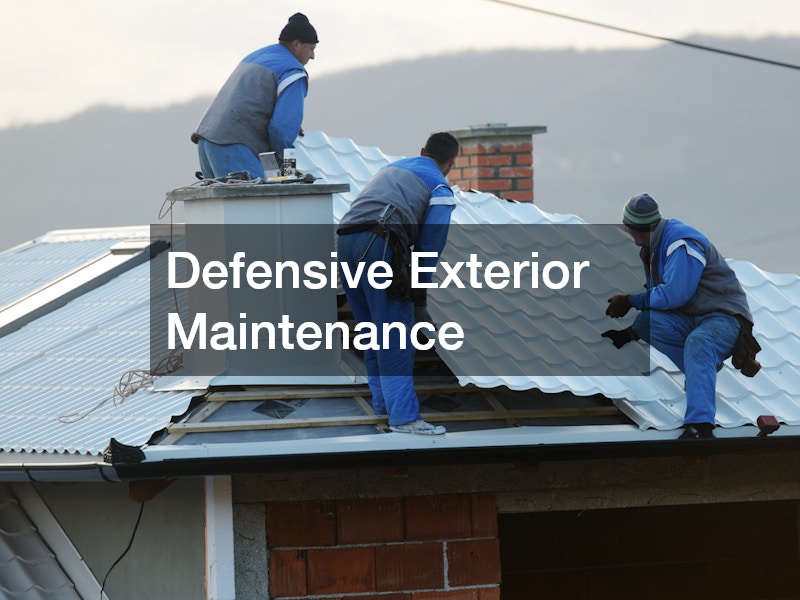
The exterior elements of a property take the brunt of weather damage. Investing in the longevity of your roofline and surrounding landscape prevents unexpected structural failure and maintains the thermal boundary of the building.
Addressing Shingle Integrity and Attic Ventilation
Your roof is the first line of defense against rain, snow, and solar radiation. However, a roof can only do its job if it works in tandem with a properly balanced attic ventilation system that prevents heat and moisture buildup directly beneath the shingles.
- Inspect the Flashings: Most roof failures do not start in the middle of a shingle field; they start around valley lines, chimneys, skylights, and plumbing vents. Ensure these areas are sealed with rust-resistant metal flashing and high-grade exterior sealants.
- Balance the Ventilation: Ensure your attic has a continuous flow of air moving from the soffit vents at the eaves up through the ridge vent at the peak. This keeps the attic temperature close to the outdoor temperature, preventing summer heat from baking your living spaces and stopping winter ice dams from forming.
- Replace Degraded Shingles Promptly: Missing, curling, or bald shingles expose the underlayment to UV rays and rain. Prioritizing targeted roof repair prevents water from dripping into attic insulation, where it can quickly destroy R-value and foster toxic mold growth.
Protecting Your Roofline and Utility Lines
The trees surrounding a property offer invaluable shade that lowers summer cooling bills, but they can also pose a massive threat to the structural integrity of your home if left unmanaged.
- Clear the Clearance Zone: Keep branches trimmed back at least ten feet from your roofline and siding. This keeps squirrels and raccoons from gaining access to your attic and prevents high winds from scraping limbs against your shingles.
- Monitor Underground Intrusions: Tree roots naturally seek out moisture and can quickly wrap around or infiltrate underground sewer and water lines, causing massive plumbing disruptions.
- Remove Hazardous Hazards: Routinely inspect the health of mature trees on your lot. Look for deep trunk cracks, fungal growth at the base, or dead canopy sections. Utilizing certified tree services to safely prune heavy limbs or remove dead trees prevents catastrophic structural damage during unexpected storms.
Modernizing Fluid Dynamics and Waste Systems

Water management systems operate silently beneath floors and behind walls. Upgrading these networks keeps clean water flowing efficiently and ensures that wastewater is removed quickly and safely from the property.
High-Efficiency Fixtures and Smart Monitoring
Older homes often suffer from a combination of deteriorating pipe materials and outdated fixtures that consume far more water than necessary. Modern plumbing updates focus on resource conservation and automated protection against silent leaks.
- Upgrade Pipe Materials: Replace old galvanized iron or brittle copper lines with cross-linked polyethylene, commonly known as PEX. It resists scale buildup, is flexible enough to minimize the need for joints, and can expand slightly if water freezes, reducing the risk of a burst.
- Install Whole-Home Leak Detection: Modern smart water valves can monitor the minute-by-minute flow of water into your home. If the system detects a continuous flow indicative of a broken pipe behind a wall, it can automatically shut off the main water supply to prevent catastrophic flooding.
- Switch to Tankless Systems: Traditional water heaters keep dozens of gallons of water hot all day long, wasting energy when no one is home. Partnering with an experienced plumbing contractor allows you to convert to a tankless, on-demand water heater that only consumes fuel when a hot water faucet is turned on.
Preventative Mainline Cleansing and Hydro-Jetting
When wastewater cannot leave the house efficiently, it creates a severe health hazard and can lead to expensive property damage. Maintaining clear sewer lateral lines is essential for a high-functioning home.
- Watch for Warning Signs: Slow draining across multiple fixtures, gurgling noises from toilets when washing machine drains, or persistent sewage odors outside are immediate indicators of a mainline restriction.
- Inquire About Camera Inspections: Instead of guessing where a blockage lies, request a digital fiber-optic camera inspection down your waste lines. This identifies exactly whether you are dealing with a simple clog, grease buildup, or structural pipe collapse.
- Clear the Lines Thoroughly: Standard mechanical snakes often just punch a temporary hole through a blockage. Utilizing professional drain services for hydro-jetting uses high-pressure water to blast away years of grease accumulation and scale, restoring the interior diameter of the pipe to its original capacity.
Future-Proofing Power and Interior Layouts

The modern home demands more electrical power than ever before due to the rise of electric vehicles, smart appliances, and home automation systems. Simultaneously, the way we lay out our interior spaces determines how effectively we can manage air movement and daily functionality.
Panel Upgrades and Smart Circuitry
Many houses built over twenty years ago feature electrical panels that provide only 100 amps of service. As we transition to high-efficiency electric heat pumps, induction cooktops, and rapid vehicle charging stations, these older electrical frameworks become overloaded.
- Assess the Main Breaker: Look at your main service panel to determine its total amperage capacity. Upgrading to a 200-amp panel provides the necessary headroom for modern high-efficiency electrical appliances without overloading circuits.
- Protect Sensitive Electronics: Install a whole-house surge protective device directly into your main electrical panel. This guards your smart appliances, HVAC control boards, and computer systems from external grid spikes and lightning strikes.
- Eliminate Fire Hazards: Outdated wire insulation can become brittle and pose an invisible fire risk. Hiring licensed electricians to replace old wiring, install Arc-Fault Circuit Interrupters, and balance the electrical loads across your breaker box guarantees a safe, stable power supply for your entire home infrastructure.
Optimizing Layouts for Thermal Efficiency
When planning an interior layout modification, look past the visual aesthetics and consider how changes to walls, doors, and rooms will alter the movement of light, heat, and sound throughout the home.
- Promote Natural Cross-Ventilation: Arrange furniture and interior partitions to maximize the flow of fresh air between windows on opposite sides of the house during temperate spring and autumn months.
- Create Thermal Barriers: If you have large, open-concept spaces that are difficult to heat or cool evenly, consider installing architectural features like pocket doors or stylish sliding partitions. This allows you to close off formal dining areas or home offices when they are not in use, reducing the volume of space your climate control systems need to manage.
- Incorporate Hidden Performance Upgrades: When stripping down walls during a remodel, take the time to add interior soundproofing insulation and fire-blocking materials. Consulting with skilled interior contractors helps you pick durable, low-emission materials that improve indoor air quality while optimizing the physical flow and functionality of your living space.
Upgrading a home efficiently requires focusing on its structural integrity and mechanical performance rather than just aesthetics. Investing in a sturdy frame, advanced climate systems, secure roofs, clear drainage, and a robust electrical infrastructure pays off over time. Proactive home maintenance prevents sudden failures and reduces utility costs. View your home as a high-performing asset. Prioritize foundational work, fix inefficiencies, and work with licensed specialists. This results in a safer and more comfortable home ready for future demands.